All Stages of
PRODUCTION
All stages of our production is monitored via our latest technology ERP Software to ensure a smooth process-flow. In addition to detailed final quality control of our finished garments, we maintain constant quality control at each stage of production. From scratch to final product, we regularly examine the effectiveness of our processes and work flows. Our own quality team members ensure that every garment is sourced, designed, manufactured and delivered based on our high quality standards.

Sampling & CAD Department
Sampling is the product development stage. It is a process by which a small number of garments are made so as to match the buyer requirement and to get approval from the buyer so as to start off the production. The sampled garments represent the accuracy of the patterns and quality of production skills and techniques. The samples not only serve the purpose of communicating correcty with the buyer regarding their styles and products, but it also helps to calculate the fabric consumption along with that thread and other accessories used.
This department makes samples on the basis of specifications and requirements sent by the buyer in the tech pack. Types of Samples: Proto Sample, Fit Sample, Pre Production Sample, Pre Size Set, Size Set, Salesman Sample, Shipment Sample
We are using the latest GERBER AccuMark Pattern Design System (PDS) a sophisticated computer-aided system for pattern design and editing.Our CAD department is responsible for the following functions: Determining cutting average for costing, Making the most efficient cutting marker, Development and alterations of patterns, Development of size set pattern by grading, Positioning of embroidered and printed items, Digitizing the pattern.

Cutting Department
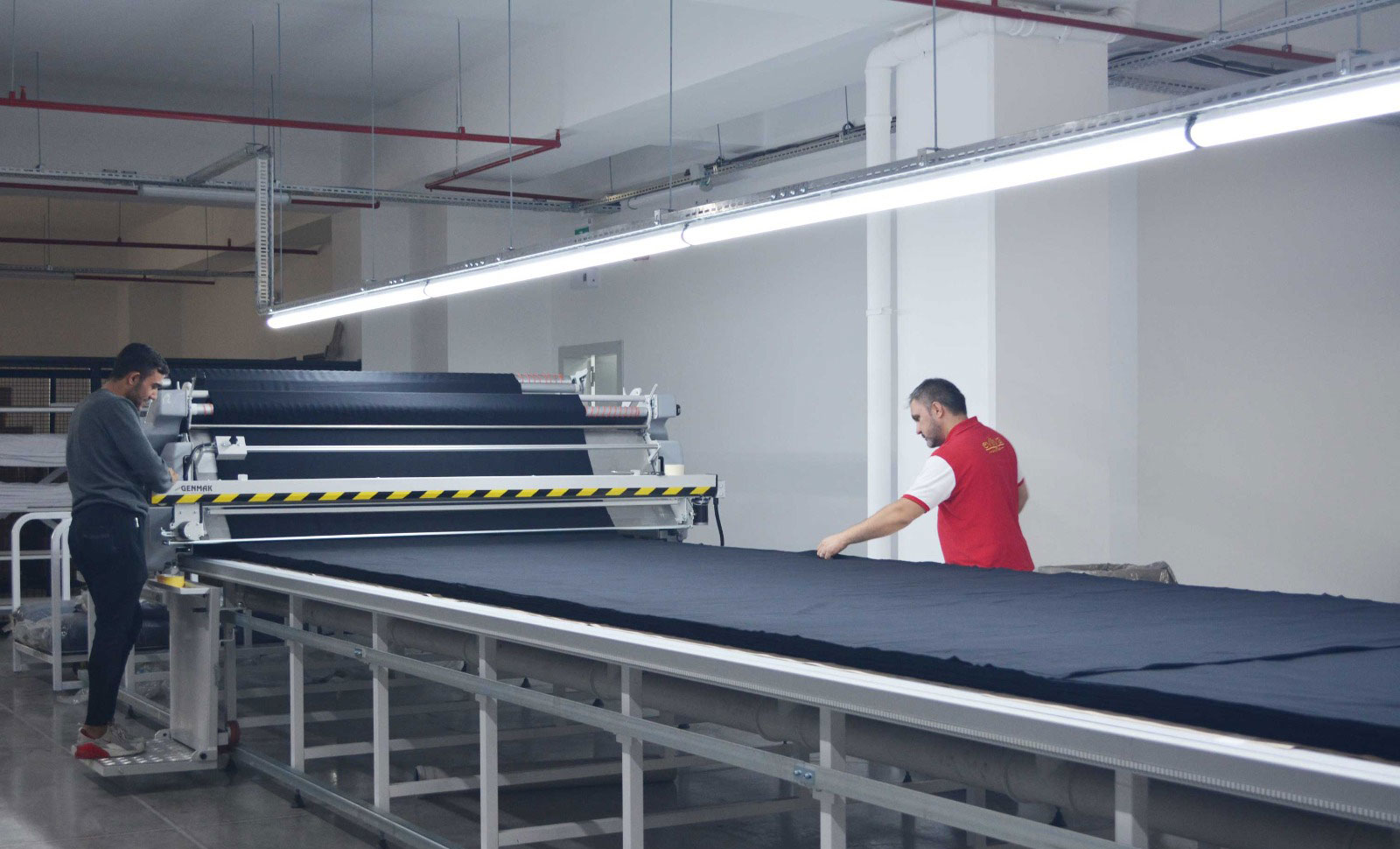
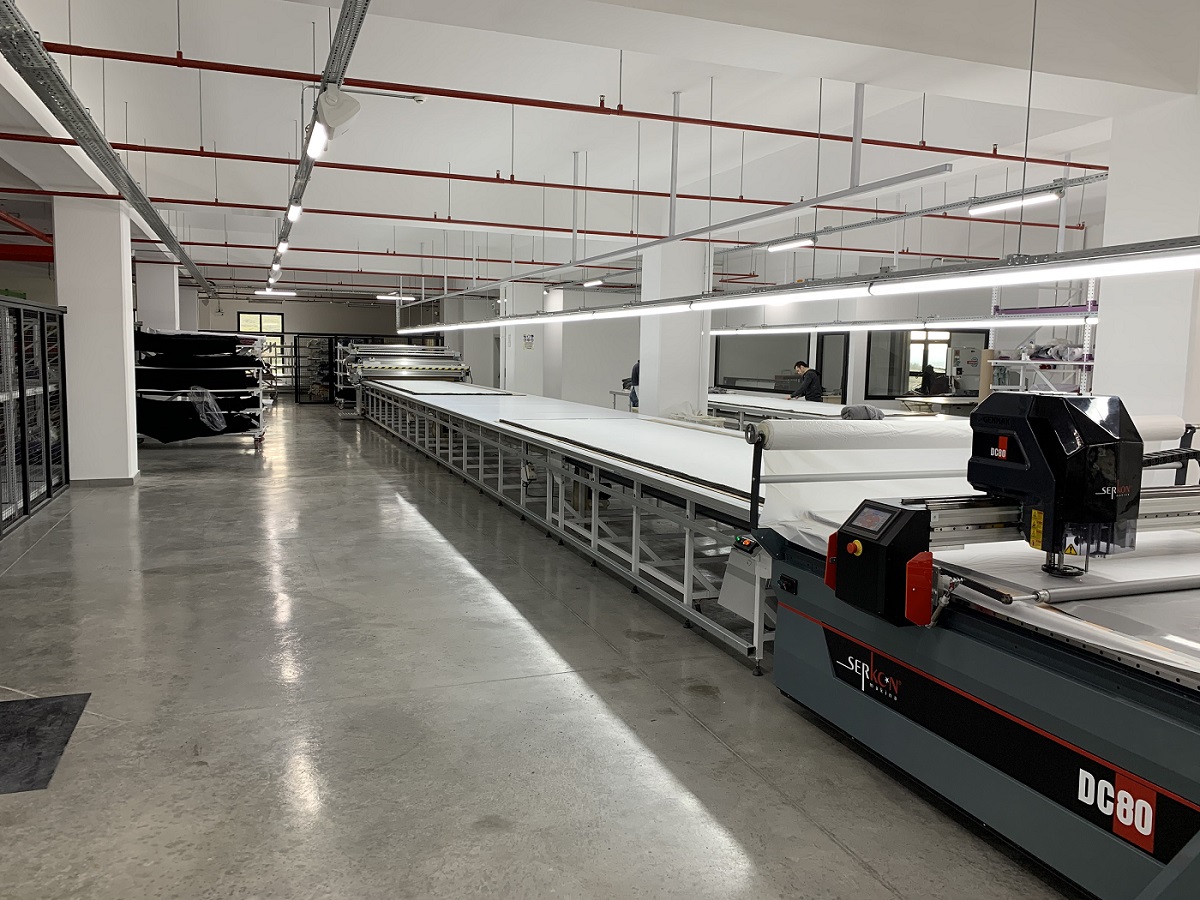
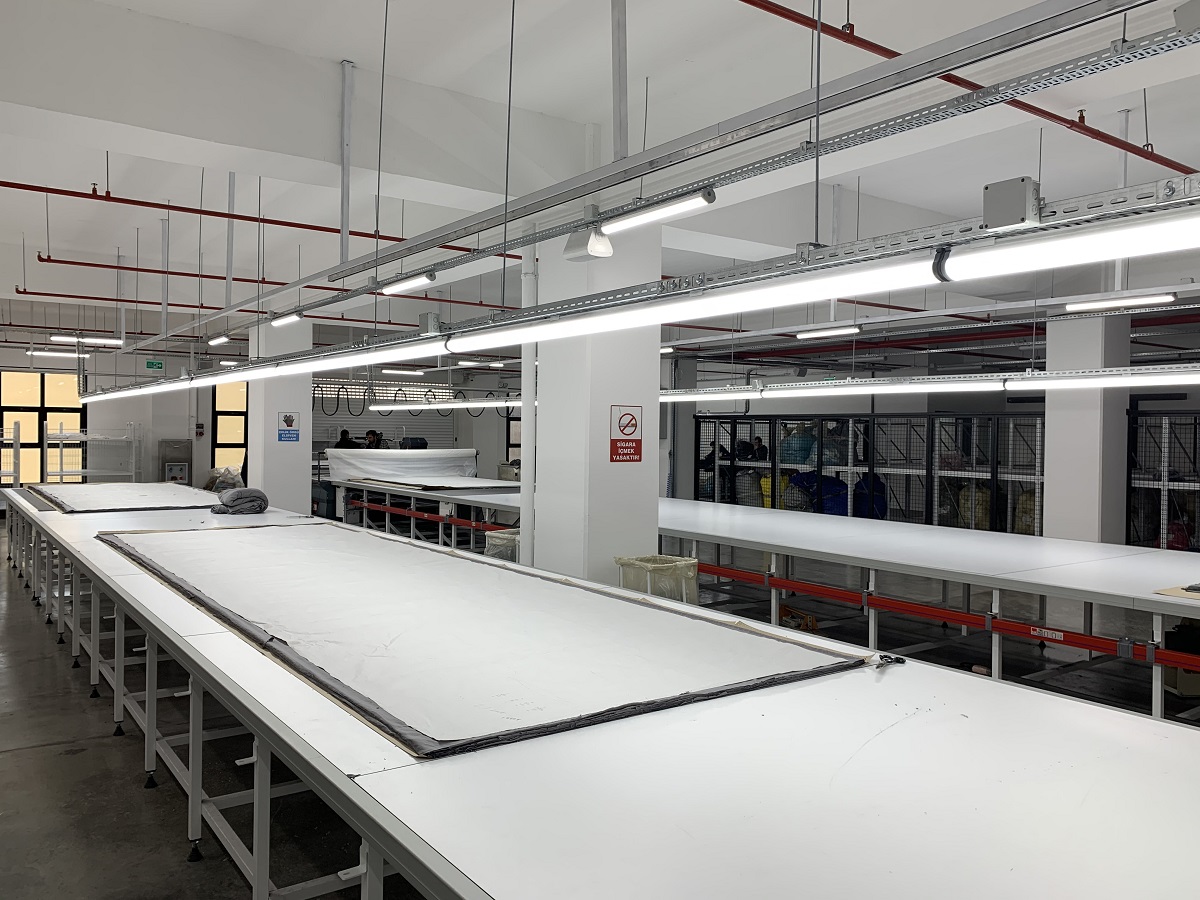
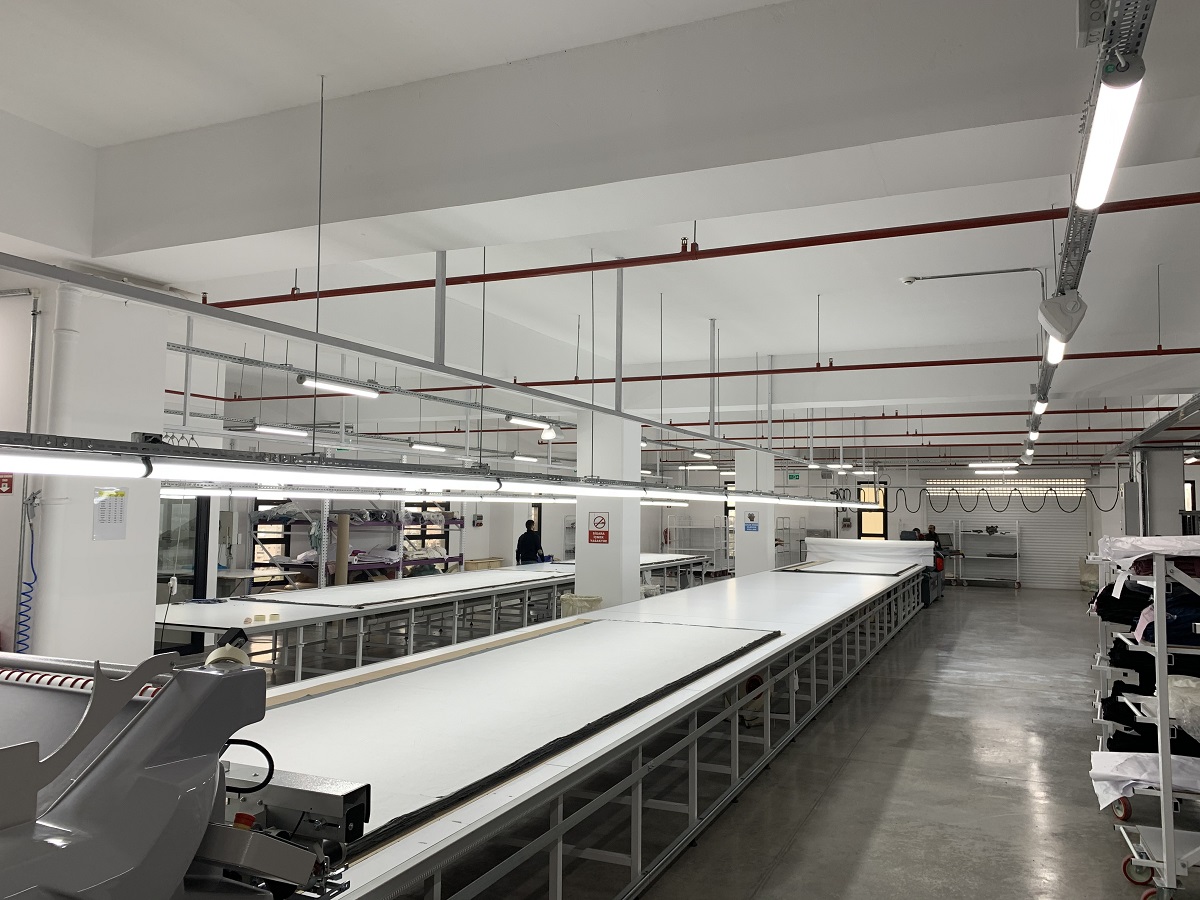
Spreading: Spreading is the process of superimposing plies of fabric on a horizontal table in a manner, which permits these plies to be cut simultaneously into product components acceptable for assembly. The spreading is done either manually or automatically by the spreading machine.
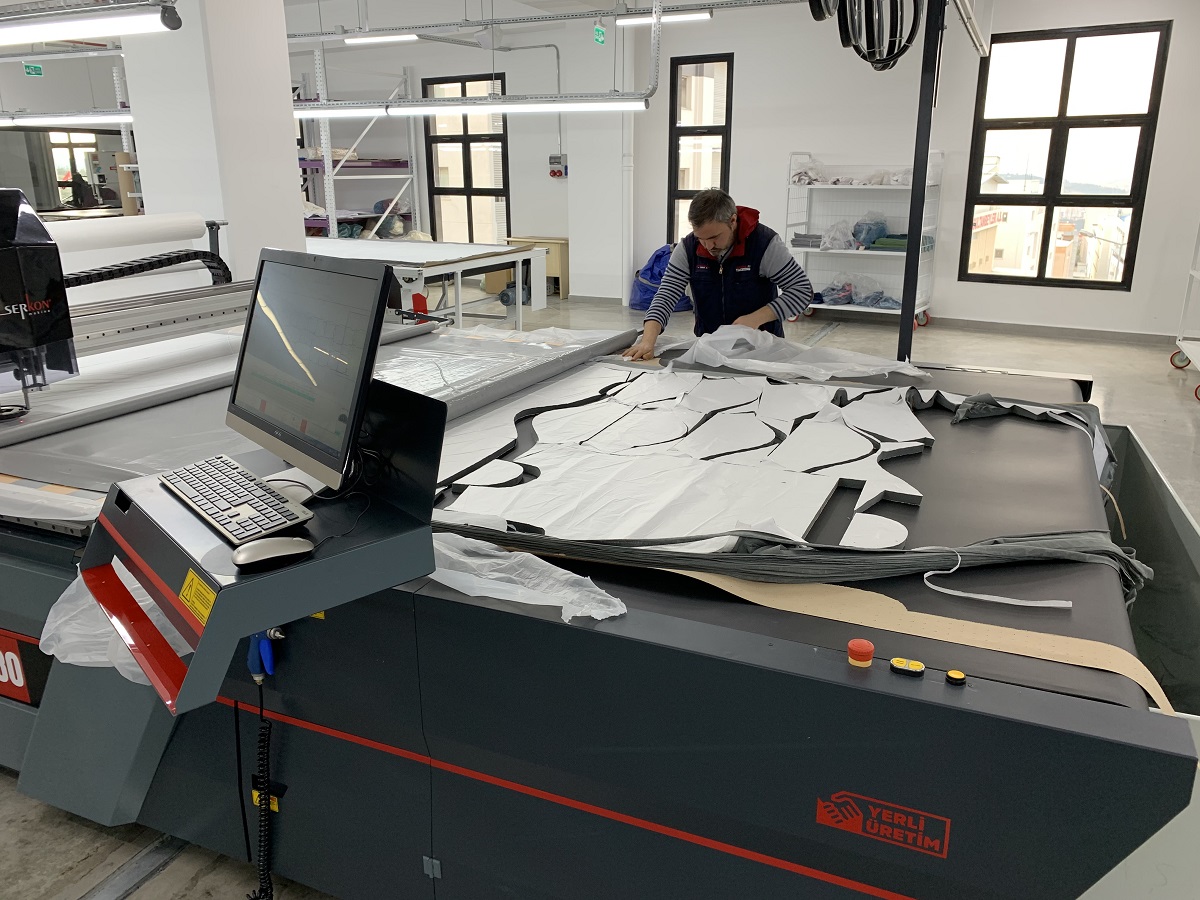
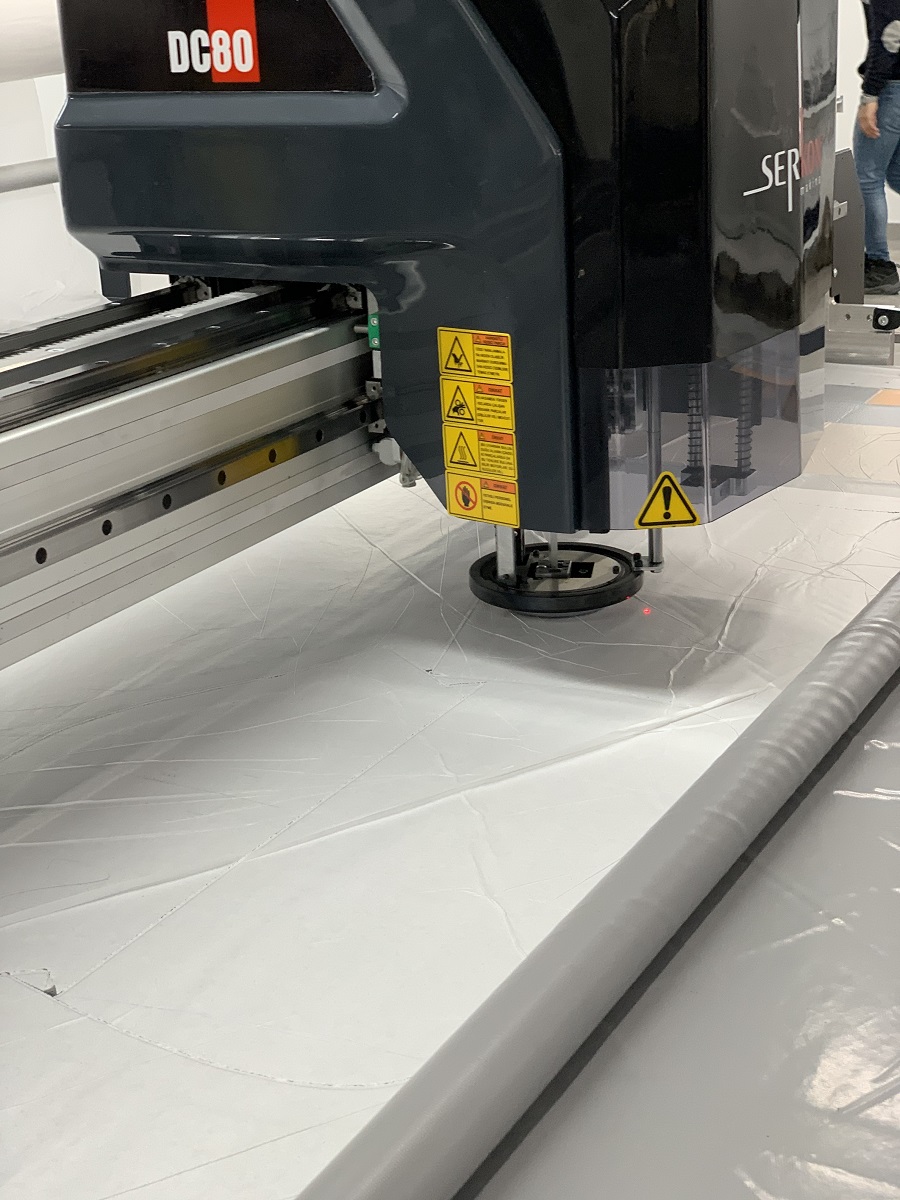
Automatic Cutting: The lay is cut automatically via our latest technology automatic Cutter system. The system uses the pre-loaded nested patterns which are prepared via Automated Nesting Software and is 5 times faster than manual cutting.
Manual Cutting: Electrically powered straight knife cutting machines are used for manual cutting. The machine is moved through the lay following the pattern lines of the marker and there ciprocating blade cut the pieces of the fabric progressively. Notches are also added. For smaller components like collars, ribs and etc that need high accuracy, band knife-cutting machine is used. It is a non-portable cutting device which cuts the fabric as it is passed across the blade.
Jacquard, stripes and checks cannot be spread with the spreading machine due to requirements of matching so they are spread manually.
Embroidery Department
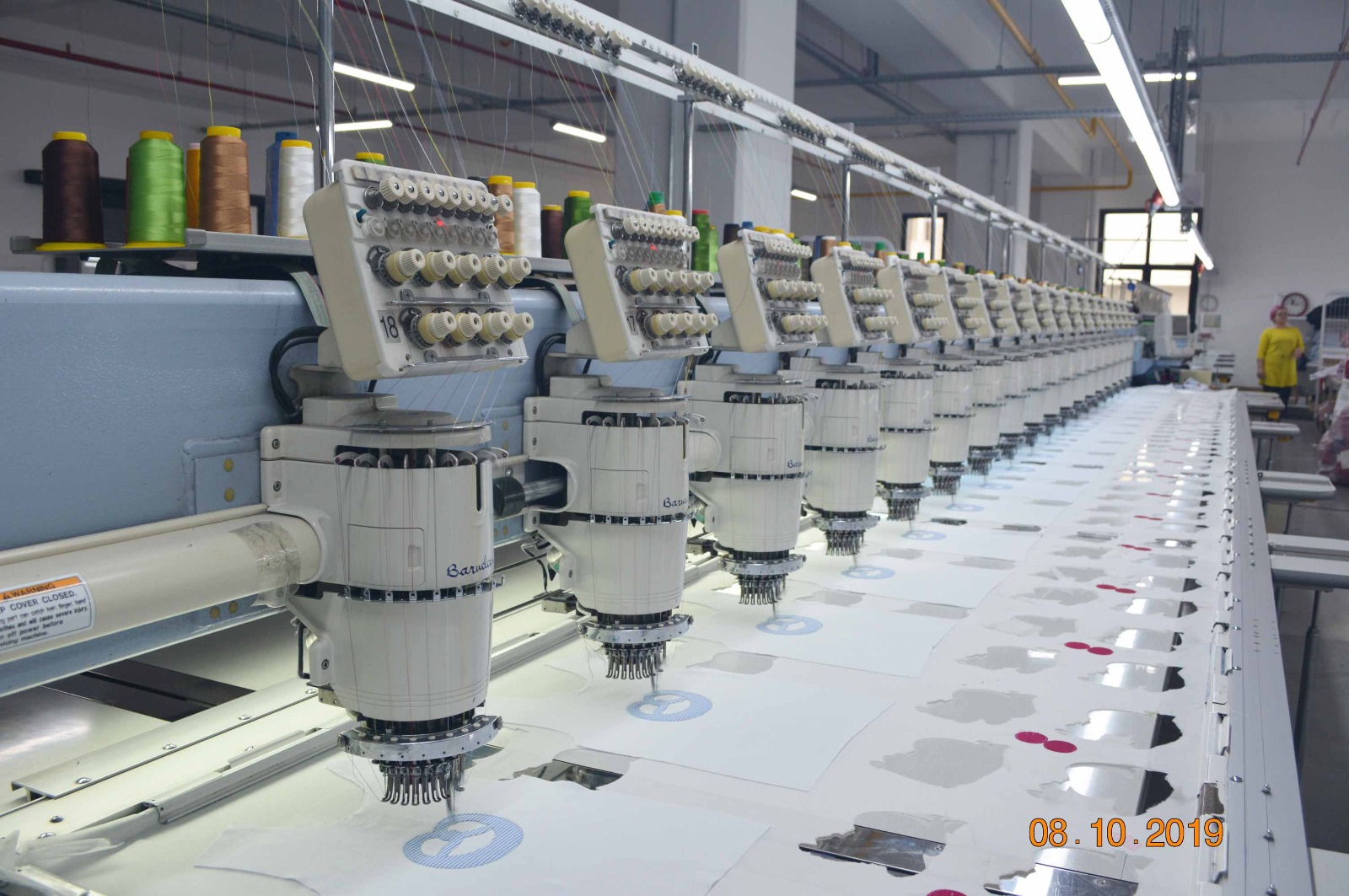
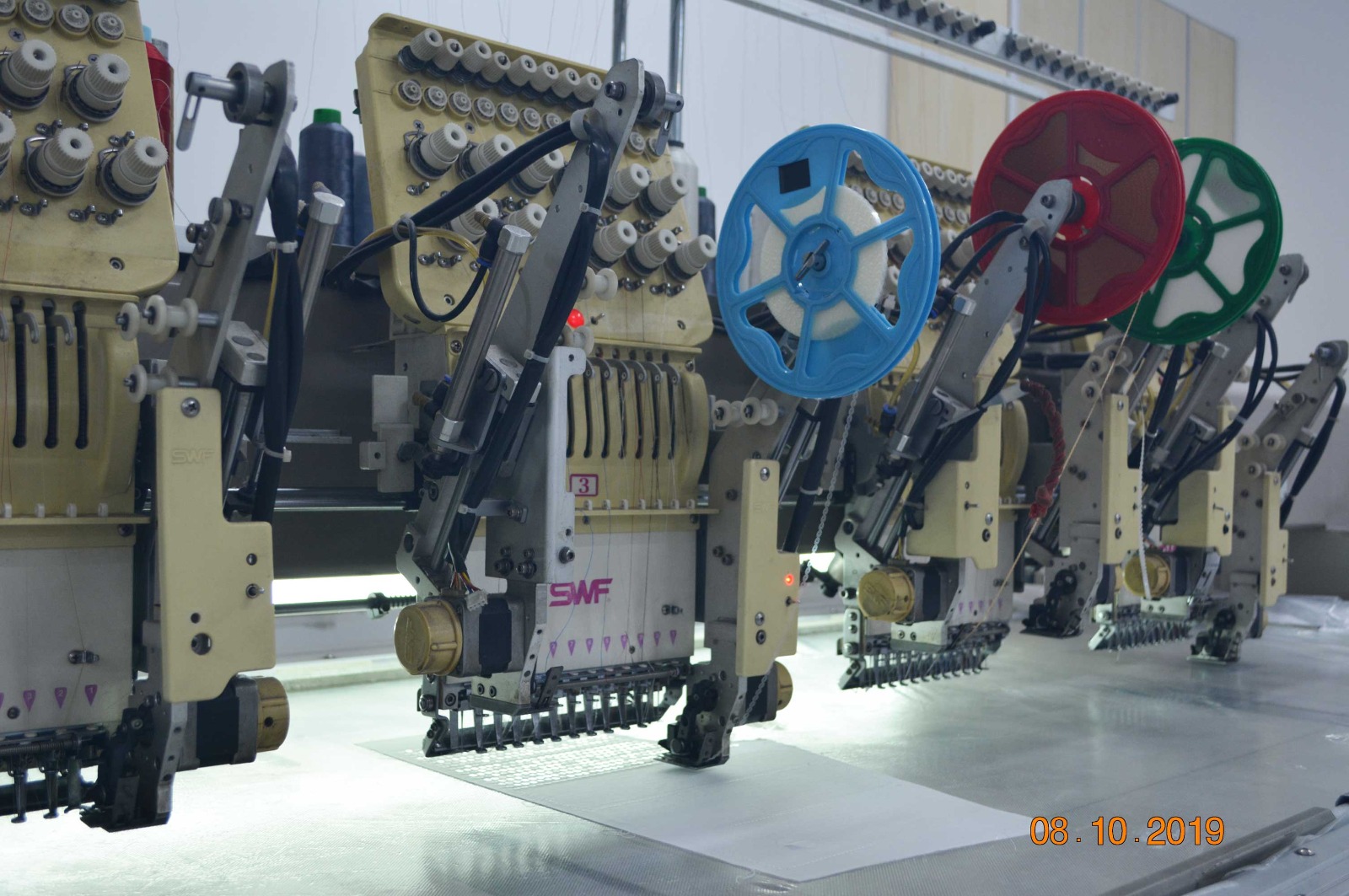
The embroidery department receives the cut part of the garment, style and the embroidery details in the form of the hard copy format. The design is scanned and digitized (punching) using the Embroidery CAD software and saved as the machines format. After loading the digitized design to the samoling machine, a sample is done before going into production. After confirmation of the sample in terms of the positioning, thread colors, quality and backing materials, the bulk production starts. At Akcakaya Textile, there are 5 embroidery machines, 2 of them are with double sequin apparatus and 1 applique laser cutting system.
After the embroidery is been done for the first set of the cut parts they are then sent to the trimming and the checking section of the embroidery department. After checking and finalizing the QC embroidered items are sent back for stitching.

Sewing Department
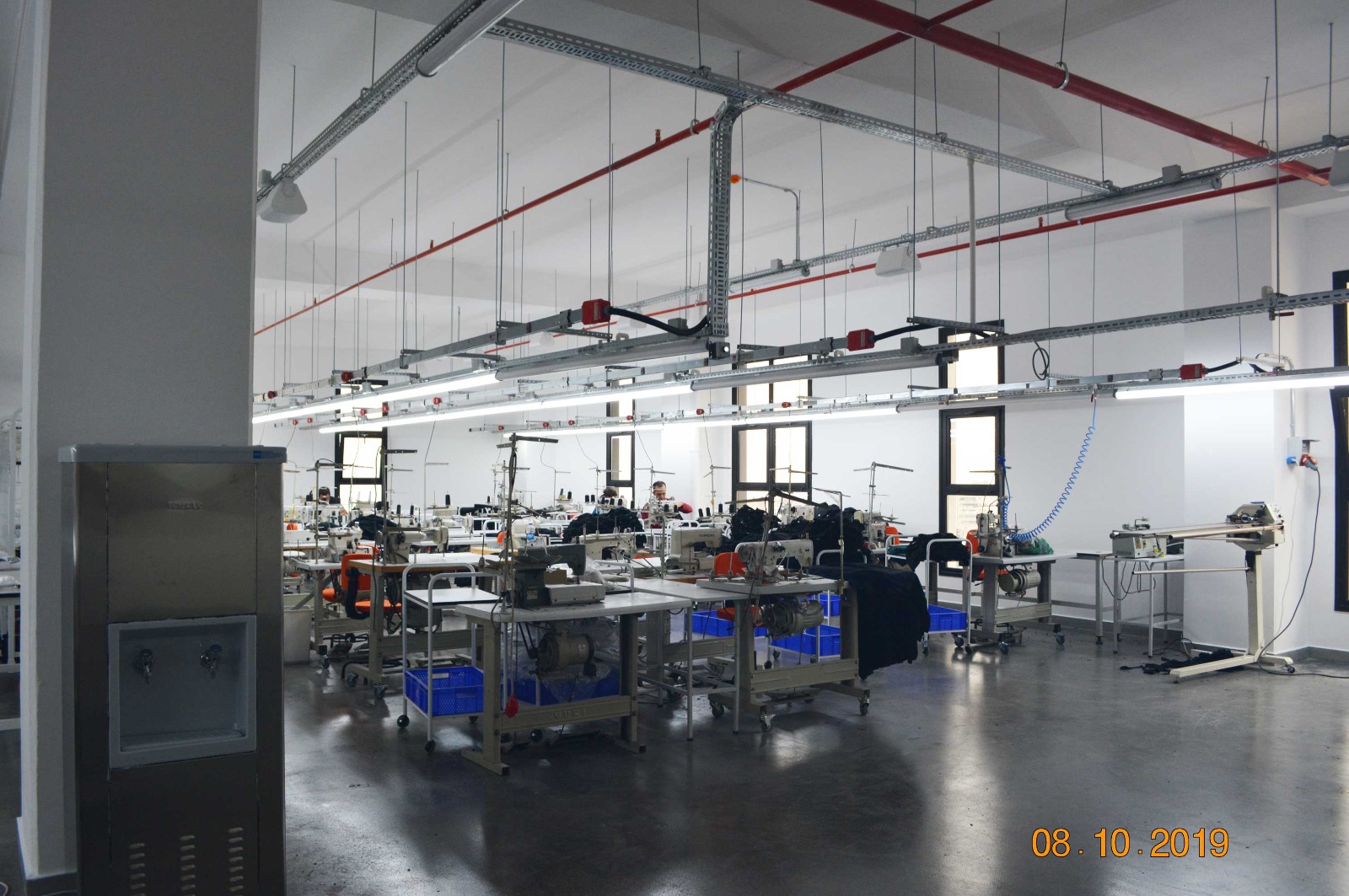
The sorted bundles of cut parts are send from the cutting department to production line where Sewing is done. Starting from the handling, it is most important and an initial step of the production. Akcakaya Textile has its own in-house stitching unit to maintain quality control during the processing. There are what is called sewing stations for sewing different parts of the cut pieces. The sewn parts of the garment, such as sleeves or pant legs, are assembled together to give the final form to the clothing.

Finishing Department
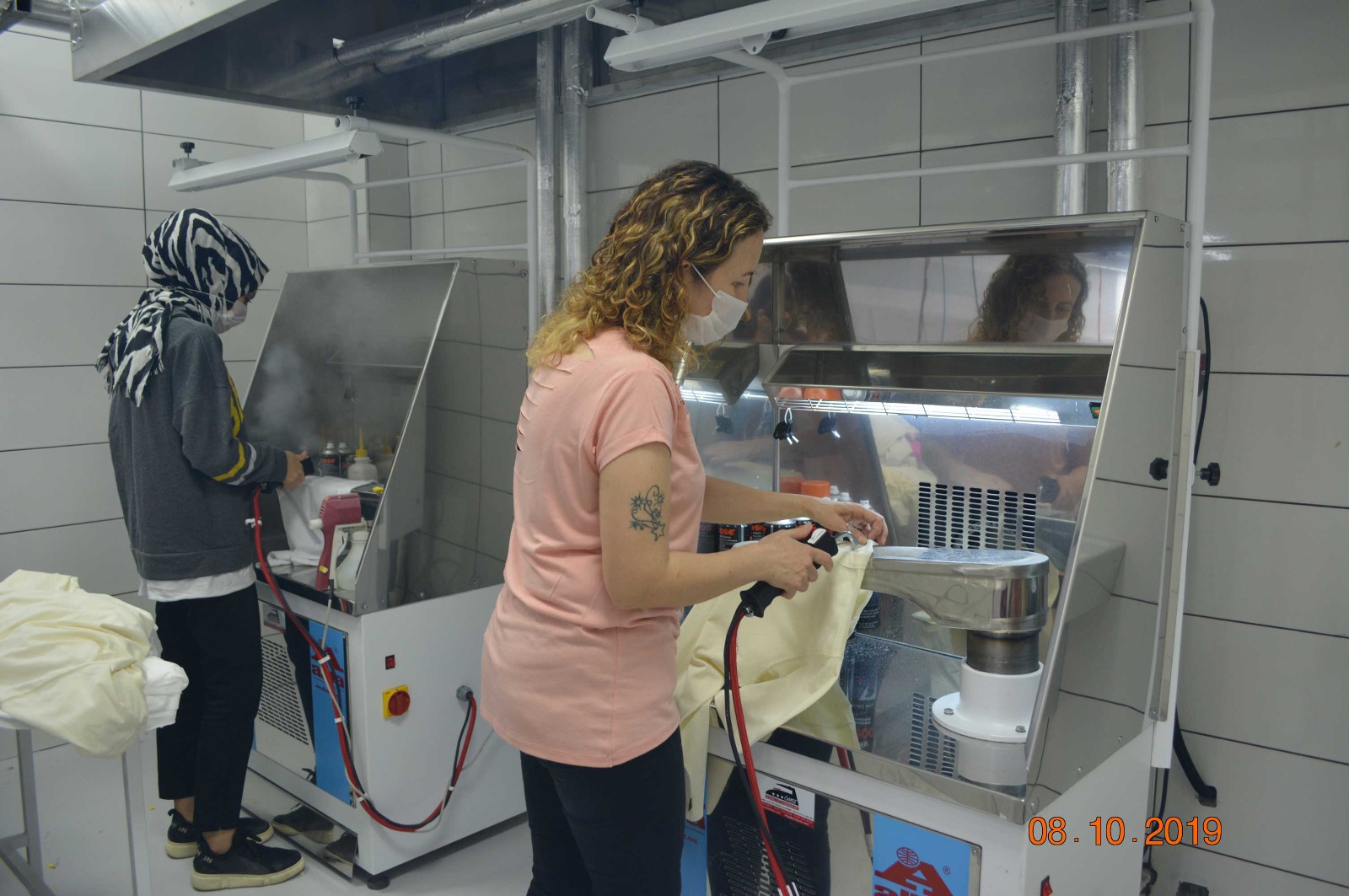
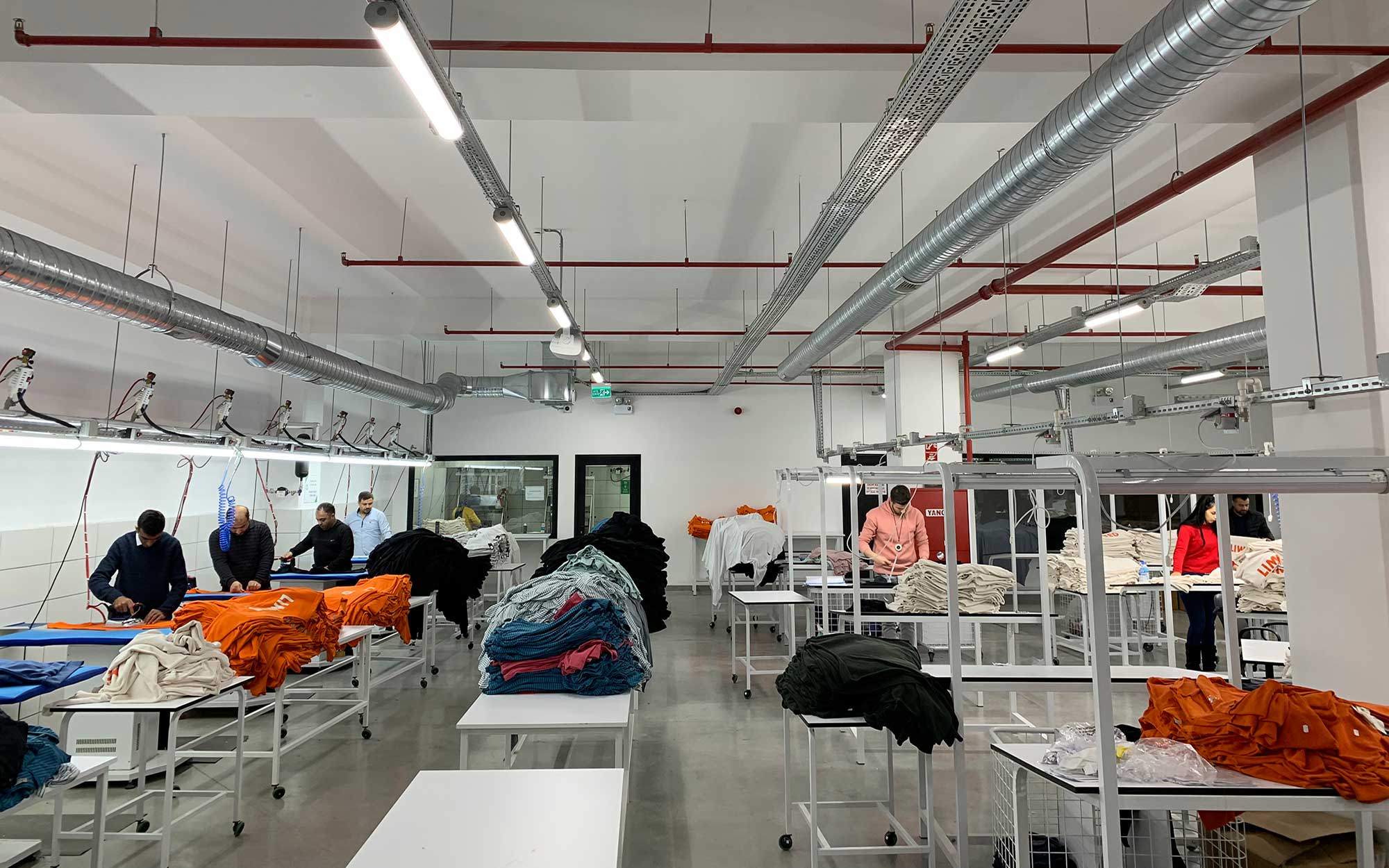
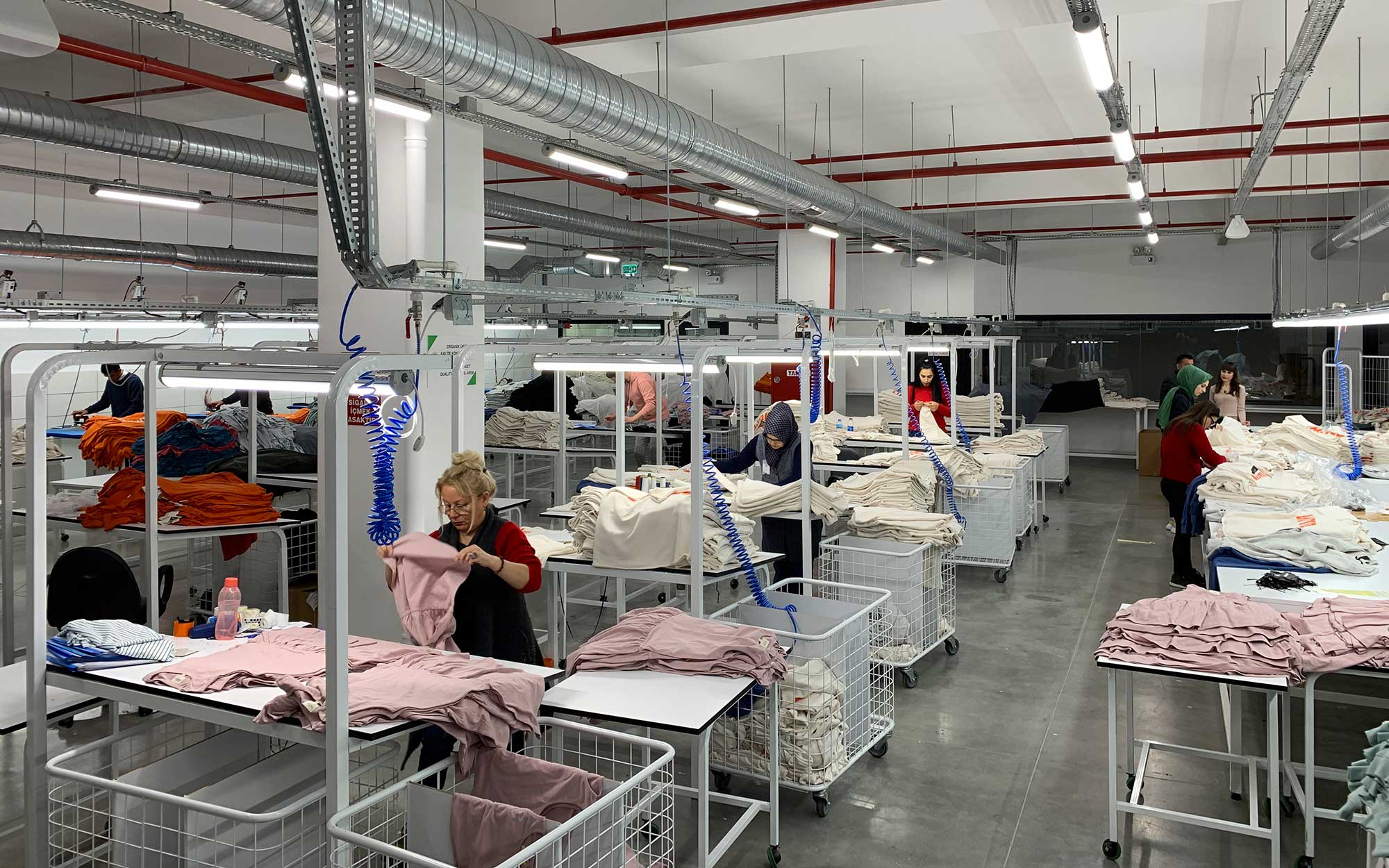
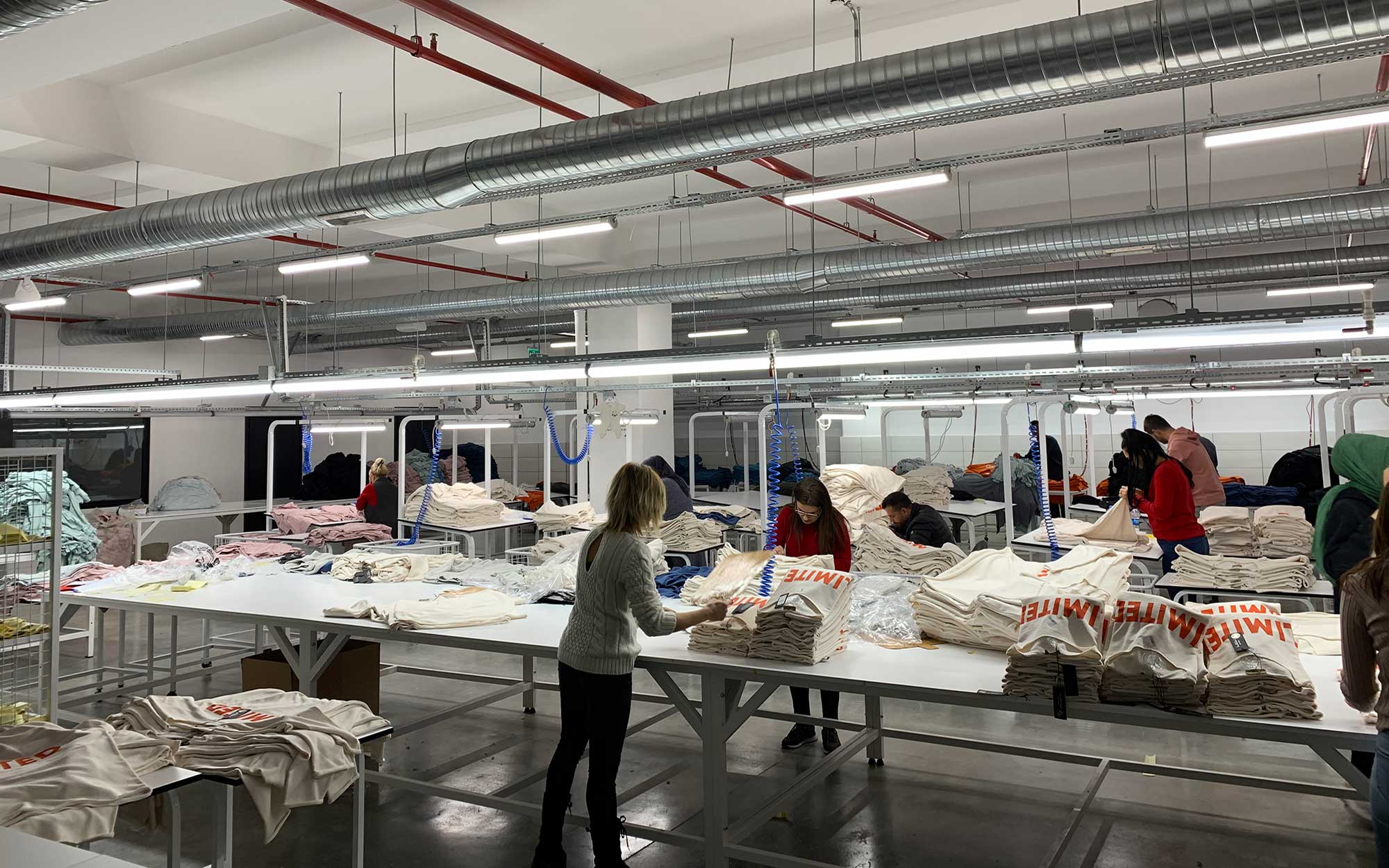
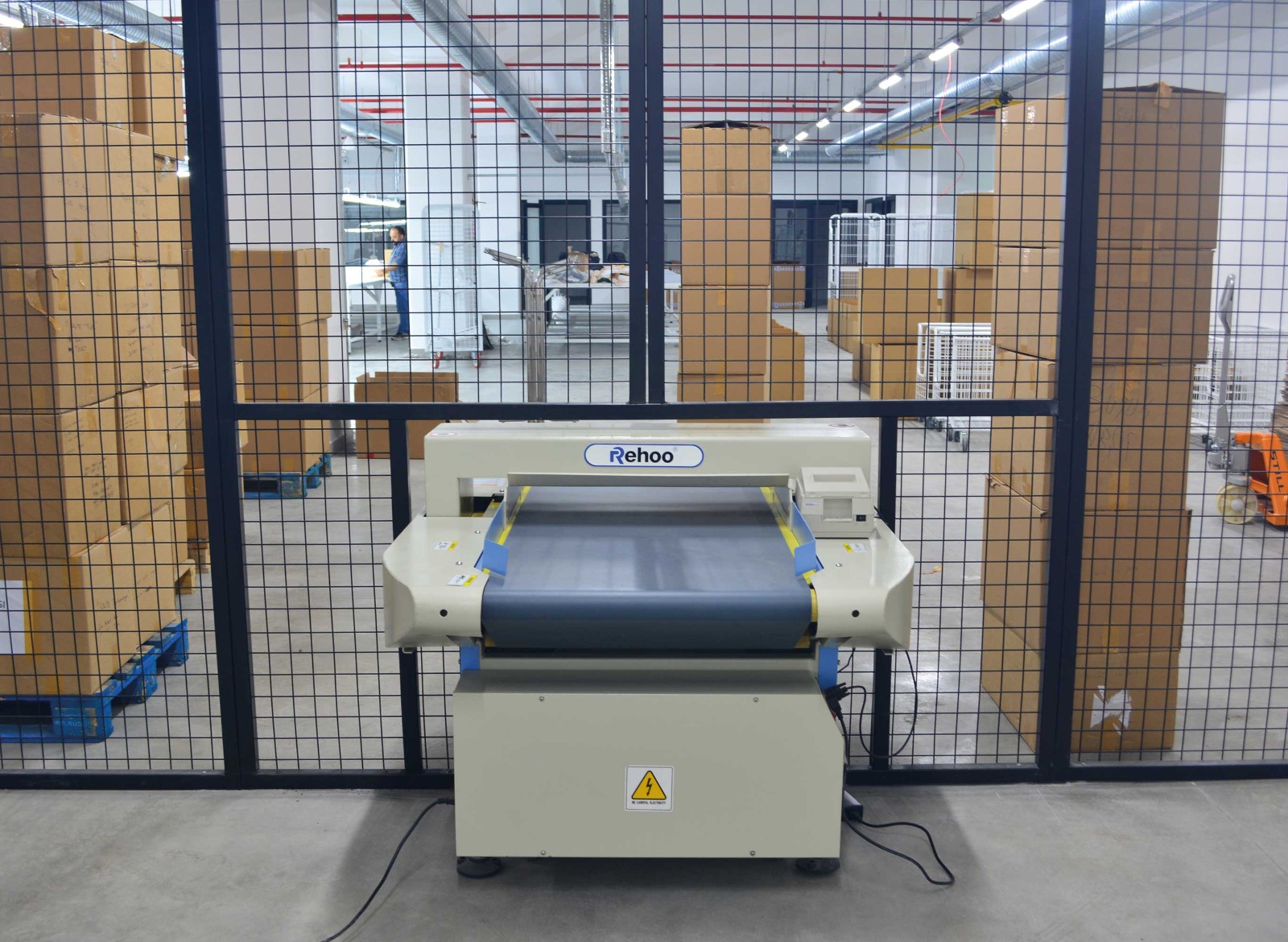
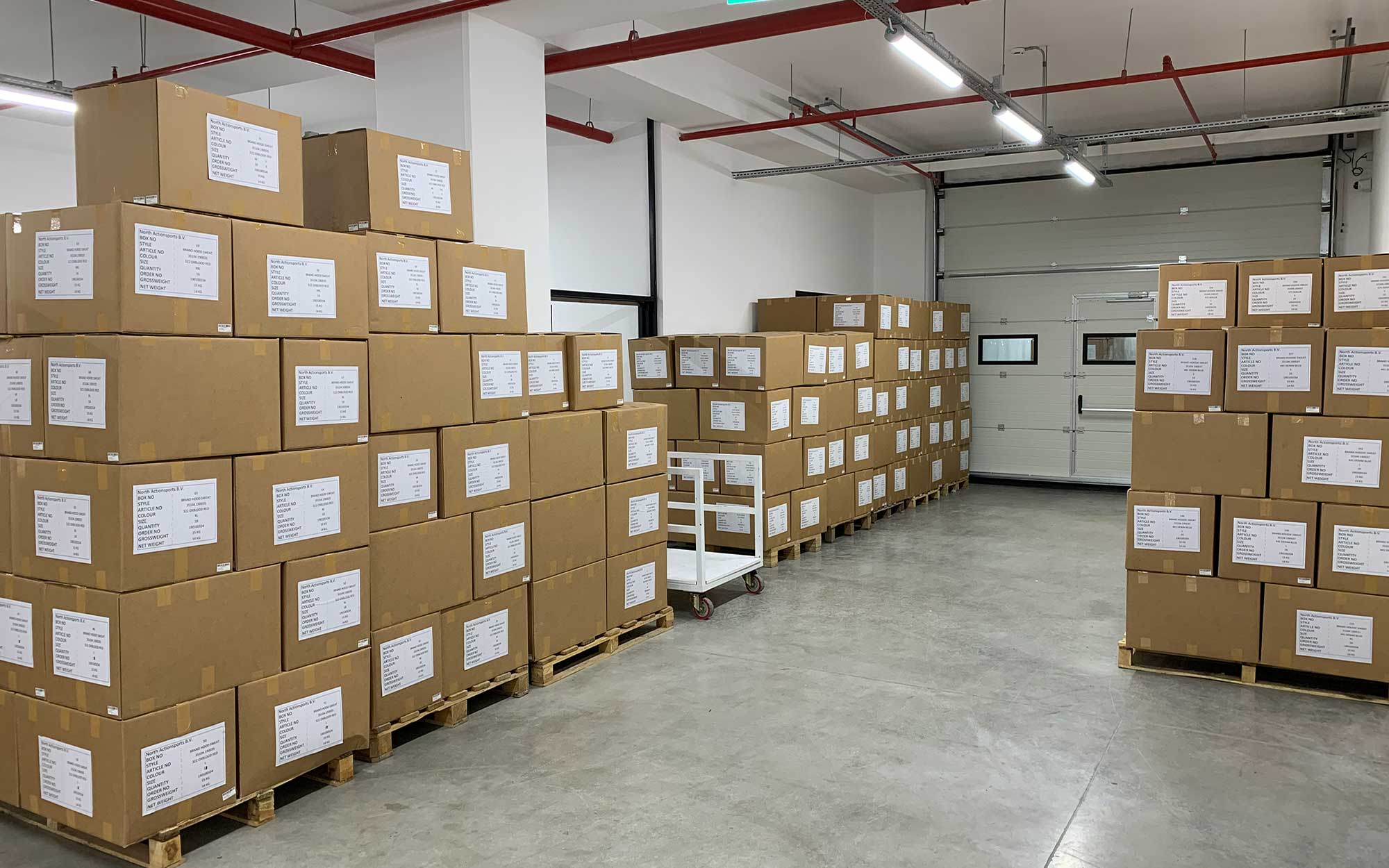
The finishing department is the department which comes after all departments and it plays equally an important role in the final appereance of the garment. This department includes majorly of the following steps: Trimming, Inspection, Semi-pressing, Pressing, Tagging, Packing, Solid Packing, Ratio Packing, Mixed Packing.